
How to Film Ordinary Life Without Staging It
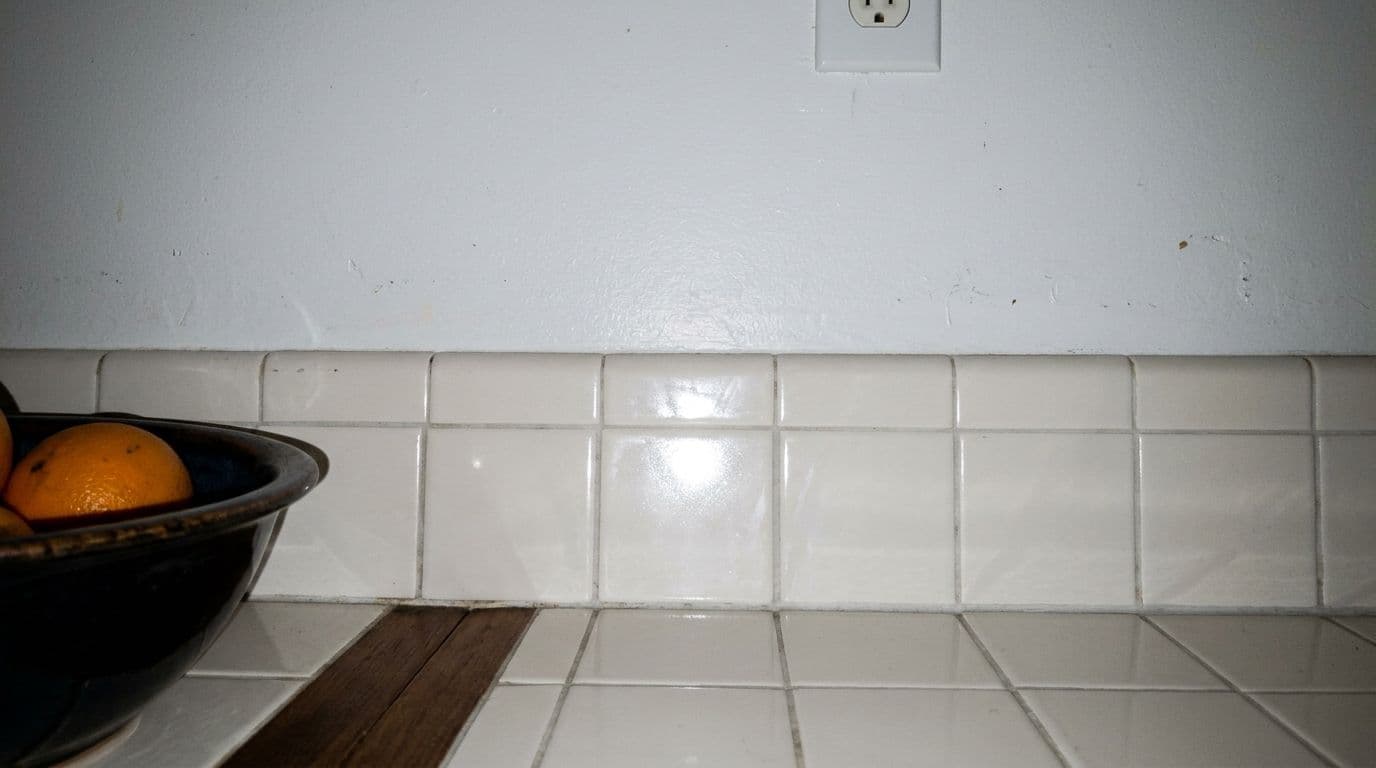
Knowing how to film ordinary life without staging it comes down to one decision: you stop making a video and start making a note. A note can be messy, short and a little dull. That is exactly why it is worth keeping.
Why staged footage ages badly
When you arrange a scene, you film the version of the day you want others to see. Years later, that version feels thin. Few people look back for the posed smile. They look for the kitchen as it really was, or the sound of someone's voice while they talked about nothing in particular.
Ordinary things disappear first. The walk to school, the mug that always sat by the sink, the chair somebody always took. Nobody records them because they seem permanent, and then one year they are gone.
Start with places, not people
If you dislike being on camera, or dislike pointing it at others, begin with places and objects. Film the counter where your day starts. Film the hallway at 7:40, when everyone is hunting for shoes. A clip with no face in it can still hold a whole morning.
Hold the phone steady for a few seconds, then let whatever is already happening keep happening. You are not directing anything. You are just present with a camera.
It also helps to choose a regular moment. Morning coffee, the walk home, the last ten minutes before bed: pick one and return to it often. Because the setting repeats, the small differences between weeks start to show, and those differences are what make a long run of ordinary clips interesting to watch.
Film in the middle of things
Staging usually begins the moment someone says "okay, ready?" So skip that sentence. Start recording while the thing is already underway: dinner being cooked, a bag being packed, a conversation that was going on anyway.
A few habits make this easier:
- Start recording before you walk into the room, not after you have announced yourself.
- Keep the phone low or at your side instead of raising it in front of someone's face.
- Stay through the awkward first few seconds. The real moment tends to arrive right after them.
Keep every clip short
Short clips protect you from staging. In ten or fifteen seconds there is no time to arrange anyone. You catch what is there and stop. A short clip is also easier to start on a tired evening, which matters more than it sounds.
In Glisk, a clip can run up to 30 seconds, and most days you will need less. If you are still working out what a sustainable routine looks like, the guide to how to keep a video diary covers it step by step.
Ideas for unposed clips
If you are staring at the phone and nothing seems worth filming, pick one of these:
- The first sound of the morning: a kettle, a cereal bowl, a radio in another room.
- Your usual route, filmed from the window or while you wait at a crossing.
- The table while you eat, shot from your own seat.
- A short errand, with the camera pointing at the street rather than at you.
- The moment you switch off the last light.
When people notice the camera
Some people will wave, pose or ask what you are doing. Do not fight it. Say you are just keeping a note of today and carry on filming for a few more seconds. Most people forget about the phone within a minute.
Repetition does the real work here. When you film every day, the camera becomes part of the furniture, and people stop performing for it. The same goes for children, who tend to ignore a phone that appears daily and never asks them to say anything.
If someone does not want to be filmed, leave them out. It costs you nothing, and it keeps the habit pleasant for everyone. It also helps to know where the footage goes. Glisk keeps everything on your phone, with no account and no cloud, so you can film a messy living room without wondering who might see it.
Keep the editing honest too
When you put clips together later, resist the urge to tidy. Keep the one where the toast burns. Keep the one where you filmed the floor by accident for two seconds before finding the right angle.
In Glisk, every clip lands in a calendar on its day, so you can see at a glance what you have. From there you can build one film from a month, a year or days you pick yourself, as described in turning a month of clips into one movie.
For a film about ordinary life, consider keeping the original sound of the clips. The background noise is often the part you will miss most: the clatter, the half-heard talking, the television in the next room. Music can still work if you prefer it, and you can pick any audio file on your phone, even just a short stretch of a song.
A simple test for any clip
Before you delete a clip because it looks plain, ask one question: would I recognise that day from this? If the answer is yes, keep it. It does not need good light or a good angle. It needs to be true.
The best ordinary-life footage often feels slightly unremarkable on the day. That feeling is a good sign. Come back to it in a year, and the same footage will say more than any scene you could have arranged. For more on building the habit around it, see the guide on keeping a video diary.